
Orbem🐣
Building a Business around scanning eggs using MRI

What do they do?
Orbem AI is a Munich-based startup helping poultry farms classify eggs before they hatch - so they can avoid killing male chicks.
Yes, that’s a real thing: most male chicks are culled right after hatching because they can’t lay eggs and they’re not useful for meat (they don't grow like broilers). Brutal, but that’s the economics of eggs.
Orbem flips this with MRI tech. They scan fertilized eggs and feed the images into their AI model, which classifies the embryo based on its structure. No needle, no cracking open the egg - just fast, contactless sexing before anything hatches.
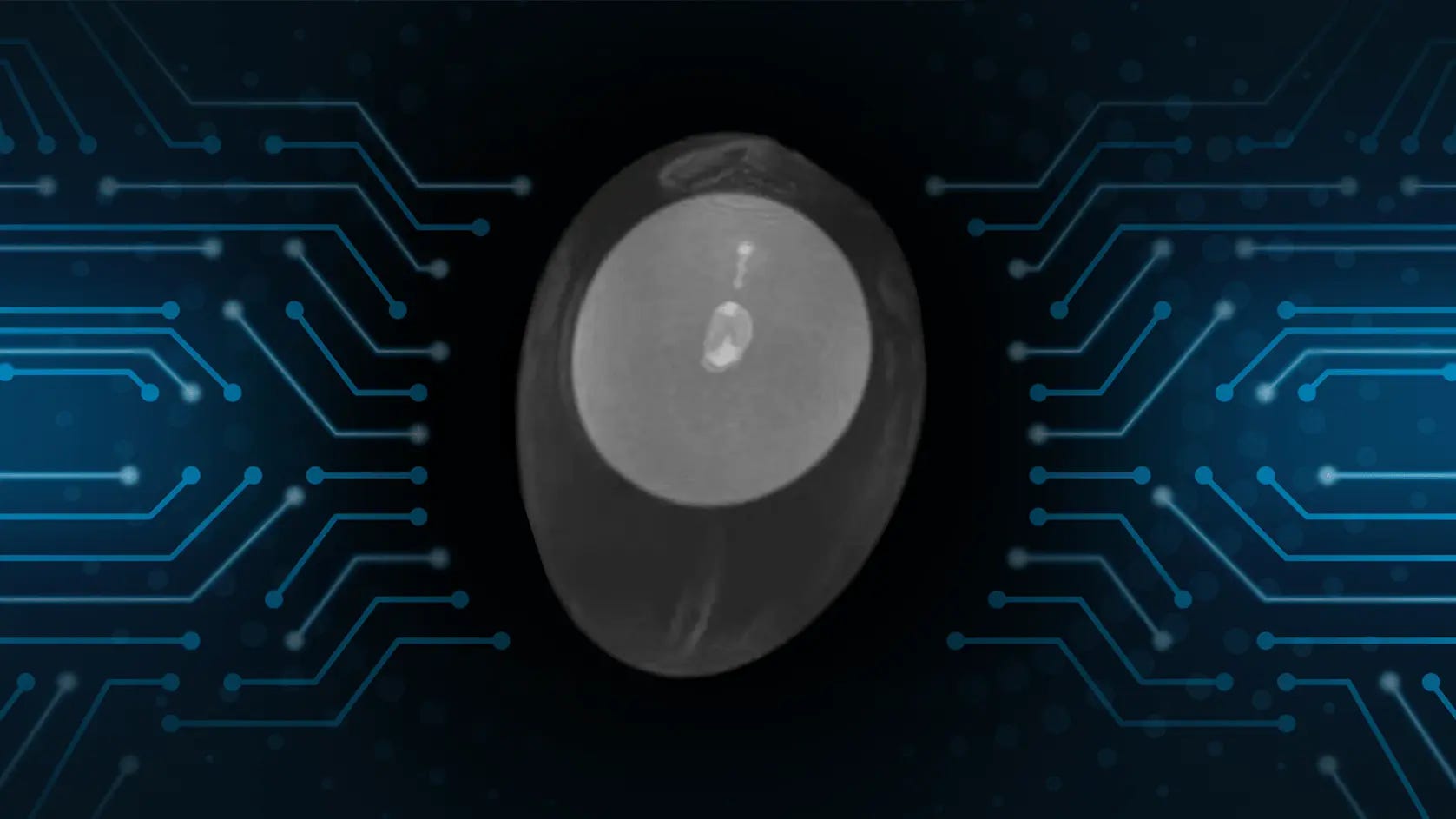
It’s a brilliant use case for industrial-grade MRI, right?
Their tagline sums it up well: “Unleashing AI-powered imaging for everything and everyone.” They’re starting with eggs, but aiming much bigger.
What problem are they solving?
From an ethical and environmental perspective, chick culling has to go. Countries like Germany and France have already banned it. (You’ll even see “ohne Kükentöten” on egg cartons - German for "without chick killing").
So the challenge is clear: how can hatcheries know the sex before chicks are born?
That’s where in-ovo sexing comes in. There are several methods today:
Invasive techniques: fluid or DNA is extracted from inside the egg (usually after day 9). Accurate, but slow and not scalable.
Light-based or acoustic approaches: experimental and often inconsistent.
Orbem’s solution? —> MRI + AI.
Non-invasive. Fast. Scalable. Eggs remain untouched. And their product: Genus - can scan up to 24,000 eggs per hour. Fully automated. Plug-and-play for hatcheries.
How it started?
Orbem was founded in 2019 as a spin-off from the Technical University of Munich by Dr. Pedro Gómez, Miguel Molina, and Maria Laparidou.
Pedro and Miguel were knee-deep in thesis work on MRI tech at the Institute for Biomedical Imaging when the idea sparked. Maria, with research background in embryology, helped shape the use case - building a practical, ethical application for MRI in poultry.
This is deep tech: hard to copy, and harder to scale. But they pulled it off.
Orbem’s GTM Strategy
Having brilliant tech is one thing. Getting into customers to buy their product is another.
Orbem didn’t have poultry industry connections or automation know-how. So they made the smart move: partner with someone who does.
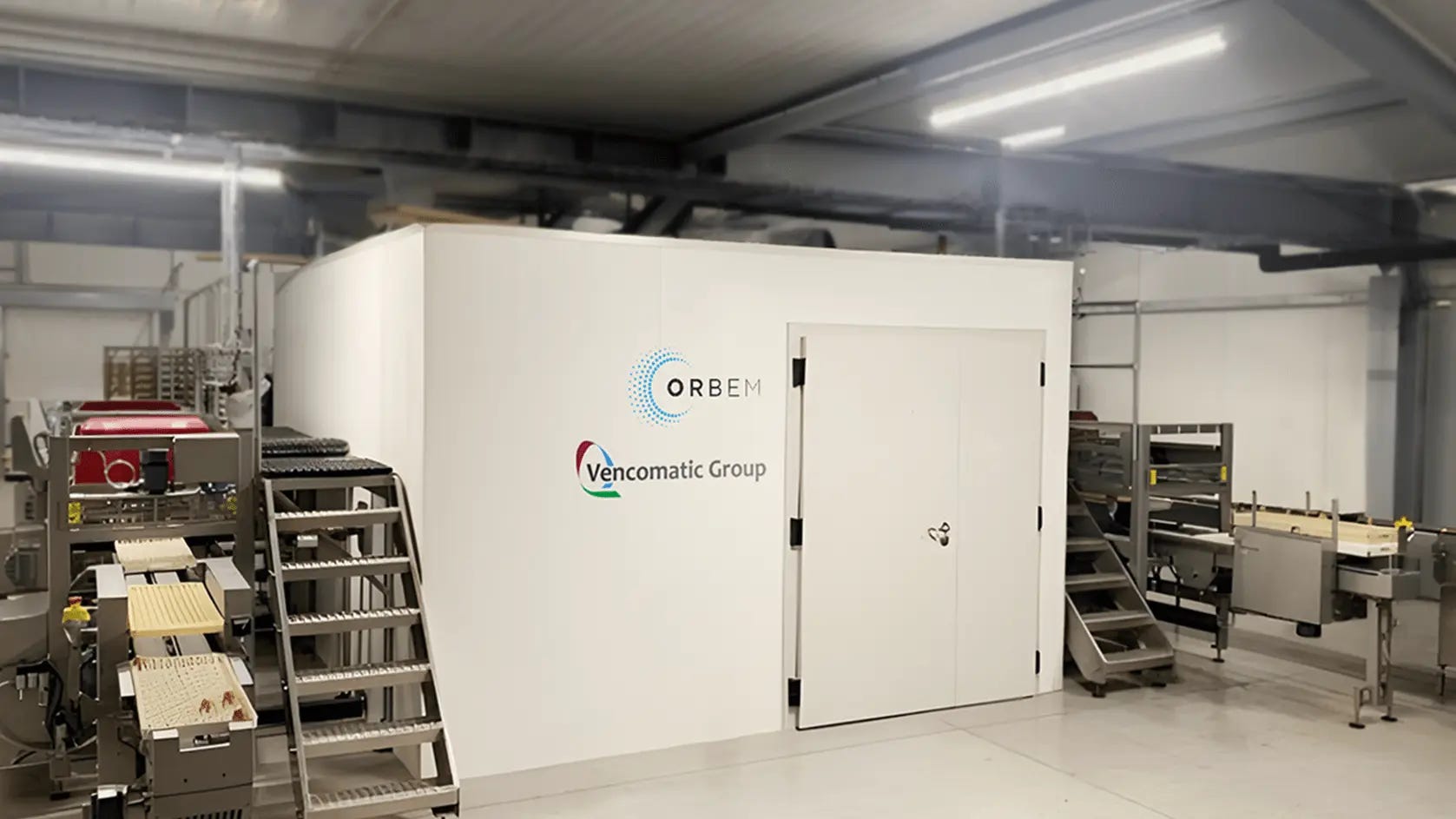
They partnered with a major player in hatchery automation - Vencomatic Group. They collaborated to integrate Orbem’s scanning tech into a fully automated unit that fits into existing operations.
Vencomatic handles hardware, logistics, and distribution.
Orbem brings the AI engine that classifies the eggs.
The result: a seamless, scalable solution hatcheries can adopt without reworking their entire process.
“Vencomatic Group supplied a newly engineered handling for and sorting system for moving, picking and transporting eggs with the greatest care and throughput.”
Plus, the more eggs scanned, the better the AI gets. It’s a data flywheel that strengthens Orbem’s MOAT.
Business model: How Orbem makes money
MRI machines aren’t cheap, usually it cost around €2–3M per unit. So, approaching poultries to sell their expensive technology is not a smart business model.
So, Orbem leveraged a much better Pricing model, favouring both the hatcheries and them. They use an Imaging-as-a-Service model: hatcheries pay per egg scanned.
No upfront capex.
Cost scales with usage.
Removed friction in Adoption.
Recurring revenue from day one.
💸 Estimated revenue per egg: €0.15–€0.30
And that’s not all, they’ve also added a second product:
Genus Focus: their flagship in-ovo sexing system.
Genus Scale: detects whether an egg is fertilized, helping hatcheries avoid wasting resources on non-viable eggs.
🤑 Dual revenue streams
€0.15–0.30 per egg for sexing
€0.05–0.10 per egg for fertility detection (unfertilised eggs can be rerouted to food chains)
With a single machine processing 250,000+ eggs per day, the math scales fast.
Where this could go next
Today, even though it's about chickens. But Orbem’s real product is AI-powered imaging.
Future use cases they’re eyeing:
🌱 Agriculture: scanning seeds to improve crop yield
🧱 Construction: analysing biodegradable materials
🩺 Healthcare: affordable cancer screening (in early development)
that’s it for today. See you next Wednesday 👋
Mahinsha Nazar